
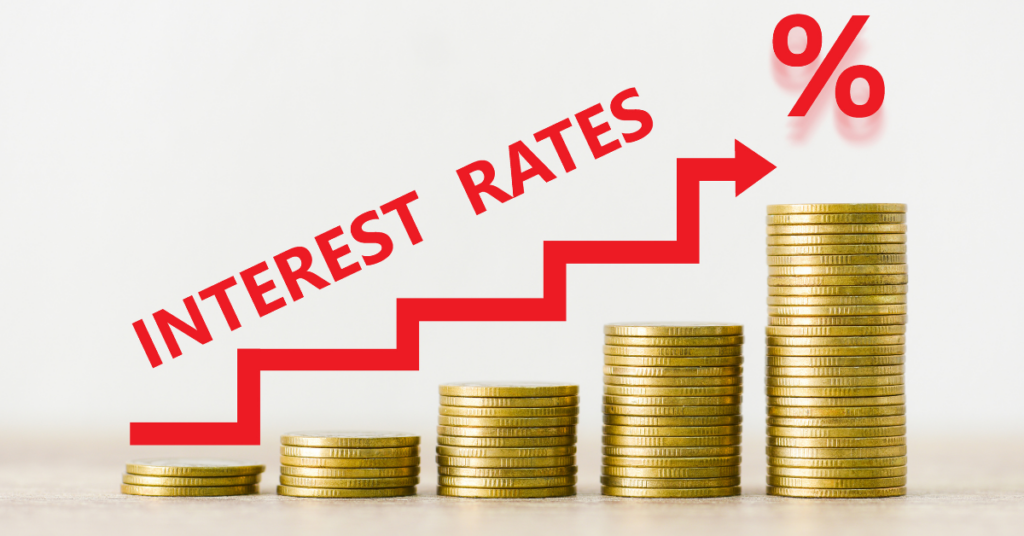
While most of us were checking our sweep horses, the Reserve Bank delivered some news of its own. At 1:30pm Brisbane time on Melbourne Cup Day, about half an hour before the Cup field left the barriers, it lifted the cash rate by 0.25 percentage points to 4.85%. It is the fifth rise this year and takes the cash rate to its highest level since 2008. For many households across Brisbane, that means another increase in repayments, on top of a year that has already stretched budgets.
The decision came as no surprise to most economists. Annual inflation climbed to 4.3% in September, and all four major banks had forecast a rise. Knowing it was coming does not make it any easier, though, so we have put together a clear picture of what it means for you and what you can do about it.
Why did the RBA raise rates in November?
Inflation has moved the wrong way. Headline inflation rose to 4.3% in the 12 months to September, up from 4.0% in August, and the RBA’s preferred core measure, the trimmed mean, reached 3.6%. Both sit well above the RBA’s target band of 2 to 3%.
Part of the jump came from higher fuel prices and the end of electricity rebates, which interest rates do little to change. The concern for the RBA is that underlying price pressures are also building, and it has acted to stop higher inflation becoming entrenched.
How much will my repayments go up?
Assuming your lender passes on the full 0.25% and your variable rate moves from 6.15% to 6.40%, monthly principal and interest repayments on a 30-year loan would rise by approximately:
- $500,000 loan: about $81 more per month
- $750,000 loan: about $122 more per month
- $1,000,000 loan: about $163 more per month
Across the whole of 2026, the cash rate has risen by 1.25 percentage points. Compared with January, a $750,000 loan now costs around $596 more each month, or more than $7,000 a year.
When will my lender pass on the rise?
Lenders are not required to follow the RBA, but most do. After the September rise, the major banks increased variable rates by the full amount, effective about 10 days after the announcement. Expect a similar pattern this time. Your lender will tell you the new rate and the date your repayments change, usually by email or letter.
If you are on a fixed rate, nothing changes until your fixed period ends. It is a good idea to check that date now, because rolling onto a higher variable rate without a plan can be a shock.
What can I do now to soften the impact?
Ask your lender for a better rate
Lenders often offer sharper rates to new customers than to existing ones. A rate review with your current lender usually does not require a new application, and a small reduction can offset some or all of this rise.
Compare the wider market
If your lender will not move, refinancing may help. Keep in mind that lenders assess new loans at your rate plus a 3% buffer, so each rise makes approval a little harder. Our refinancing page explains how we compare options across our lender panel.
Use your offset or redraw
Money sitting in an offset account reduces the interest you pay. If you have been making extra repayments, those funds can give you breathing room while you adjust your budget.
Talk to someone early
If repayments are starting to feel tight, contact your lender sooner rather than later. Lenders have hardship processes and options such as temporary repayment changes, and they are far easier to arrange before a payment is missed.
Is this the last rate rise?
No one can say for certain. The RBA releases updated forecasts with this decision, and the next inflation figures arrive on 25 November, ahead of the December meeting on 7 and 8 December. Several economists expect rates to peak around this level, but the outlook depends on whether inflation starts to ease.
The Cup is run and won in a little over three minutes, but a rate rise stays with your budget for a lot longer. It is a good prompt to make sure your loan is still working for you. Adam Bailey has helped Brisbane borrowers through many rate cycles, and a quick review of your rate, structure and options can make a real difference to how the next few months feel. If you would like a second set of eyes on your loan, get in touch with the PierPoint team.
General information only. All applications are subject to lender credit assessment, eligibility criteria and lending limits.
Frequently Asked Questions
What is the RBA cash rate now?
The RBA cash rate is 4.85% following the November 2026 decision. It is the fifth increase of 2026, up from 3.60% at the start of the year, and the highest level since 2008.
How much will a 0.25% rate rise add to my mortgage?
On a 30-year principal and interest loan with a variable rate moving from 6.15% to 6.40%, a 0.25% rise adds about $81 a month on a $500,000 loan, $122 on a $750,000 loan and $163 on a $1,000,000 loan. The exact figure depends on your rate, balance and remaining term.
Do fixed rate borrowers pay more after a rate rise?
No. A fixed rate stays the same until the fixed period ends. When it expires, the loan usually moves to the lender’s variable revert rate, which is often higher than rates offered to new customers, so it pays to review your options before the expiry date.
Can I still refinance after a rate rise?
Yes, but approval can be harder. Lenders assess new applications at the loan rate plus a 3% serviceability buffer, so each rise lowers the amount you can borrow. A rate review with your current lender usually does not require this test, making it a useful first step.
Why did the RBA announce its decision on Melbourne Cup Day?
For decades the RBA board met on the first Tuesday of most months, which regularly put its November decision on Melbourne Cup Day, including the rate rise of November 2023. Since 2024 the board has met eight times a year over two days, and the November 2026 meeting again ended on Cup Day.
Enquire Now
Complete the enquiry below and a member of the PierPoint Lending team will contact you to schedule a complimentary home loan review.